


Emergency Preparedness
Being prepared for emergencies keeps you, your family, and other members of your community safe and reduces stress in the event of an emergency. Together we can make Kimberley’s emergency response quick, efficient, and clear by taking the time to learn and prepare in advance.
Wildfires
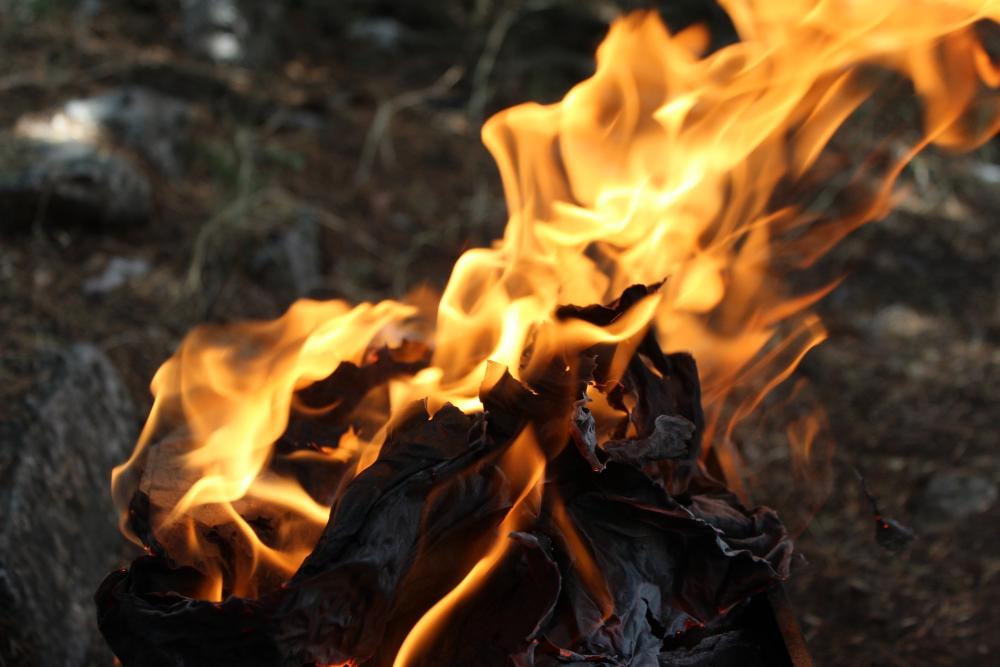
How do Wildfires Start, and How do They Travel
In BC, most wildfires start because of lightning; the second main cause is human activity, such as:
- Open burning
- Vehicle and engine use
- Industrial activity
- Fireworks, sky-lanterns, outdoor flame lighting
- Discarding burning items (cigarettes)
- Arson
Additionally, Climate change has caused drier, hotter summers, and these conditions have increased the quantity of fires over the last few years.
Three main factors that impact a wildfire’s ability to grow are:
Fuel
- Dry/dead vegetation catches fire more easily than moist vegetation
- Small pieces of fuel like grass and twigs catch fire more quickly, but large things like trees burn hotter
- Fuel that is consistently spread out allows fire to travel easily
Weather
- High wind speeds increase fire activity and dry out fuel
- Low humidity dries out fuel sources
Topography
- Fires burn quickly uphill, and rolling debris increases fire spread downhill
- South-facing slopes are often drier and hotter, which increases fire activity
- Valleys and mountainous areas may impact wind speed
Another factor in the spread of fires is embers. Embers can travel up to two kilometres ahead of a fire line and are often the cause of fires travelling within a community.
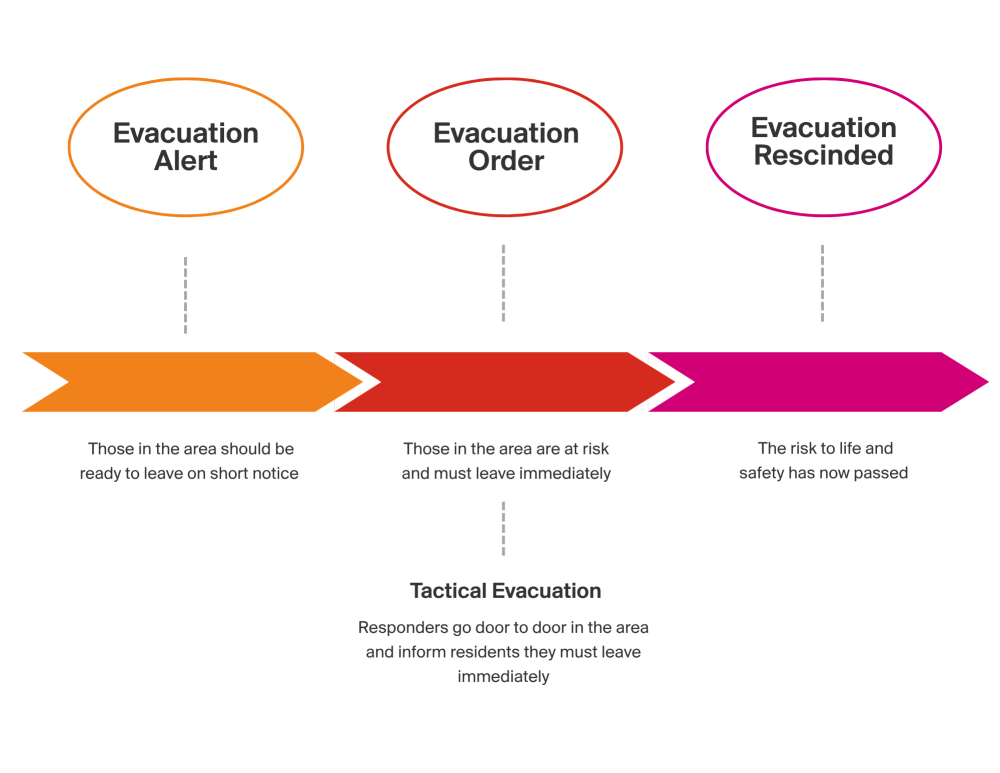
Evacuation Orders and Alerts
Resources for Vulnerable Persons
Evacuations won’t look the same for all individuals and households. If you or a member of your household may be alone and unable to evacuate yourself/themselves in the event of an evacuation order, it is important to plan in advance.
The 2026 Vulnerable Persons Database is a free, voluntary and confidential service designed to identify and support residents who may face challenges such as:
- Mobility issues
- Vision or hearing impairments
- Learning disabilities
- Mental health concerns
- Dependence on electricity for medical equipment
- Limited access to internet or technology
- No vehicle access
- Temporary vulnerability such as recovery from
- surgery or injury
Want to register or have a question? Scan the QR Code, call 250-426-2188, 1-855-346-2188 or email: emergencyinfo@rdek.bc.ca

Visit engage.www.rdek.bc.ca/database for more info!
FireSmart BC Resources

Financial Assistance and Recovery Guidance
Emergency Support Services (ESS)
Get short-term basic support to people impacted by disasters. Learn more about ESS
Create a profile for Emergency Support Services with the Evacuee Registration and Assistance (ERA) tool. Create Profile
Disaster Financial Assistance (DFA)
Learn more about and apply for (DFA) here
Pets and Livestock
Call the BC SPCA Animal Helpline at 1-855-622-7722 if you need assistance caring for or retrieving displaced animals.
Know Your Hazards
TBD
Important Links
2024 RDEK Emergency Preparedness Guide
2016 Household Emergency Planning Information includes handy templates and signs
City of Kimberley Evacuation Plan 2016
Neighbourhood Preparedness Guide
For more information and helpful tips, visit PreparedBC