

Water Conservation
Water Conservation
text
Where do we get our water?
Our drinking water comes from two watersheds:
Mark Creek:
Water is sourced from a dam located upstream of the city. This water is carried through a pipeline to the Mark Creek Chlorination Station.
At the station, chlorine is added to the water to disinfect it and make it safe to drink.
After treatment, the water is sent to homes and businesses in Kimberley and Forest Crowne.
Matthew Creek:
Water is collected from a riverbed west of Kimberley. The water flows to a holding pond and is then carried by pipeline to the Matthew Creek Chlorination Station.
At the station, chlorine is added to disinfect the water and make it safe for drinking.
After treatment, the water is distributed to Marysville, the Kimberley Golf Course, Riverside Campground, and the surrounding areas
Why is Water conservation important?
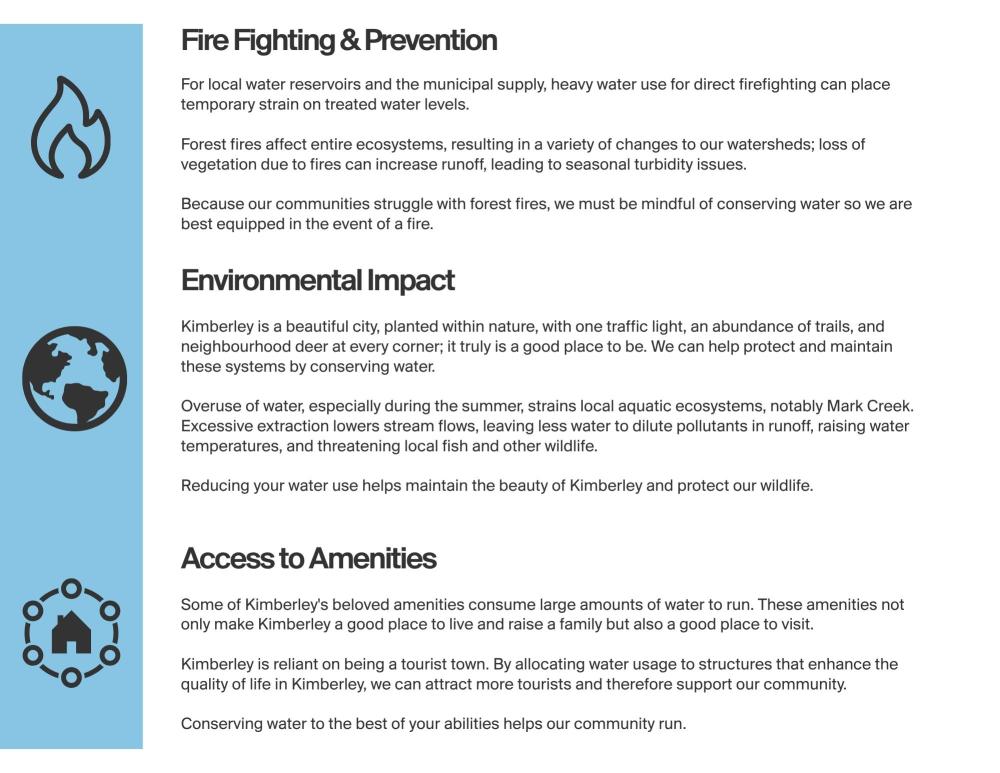
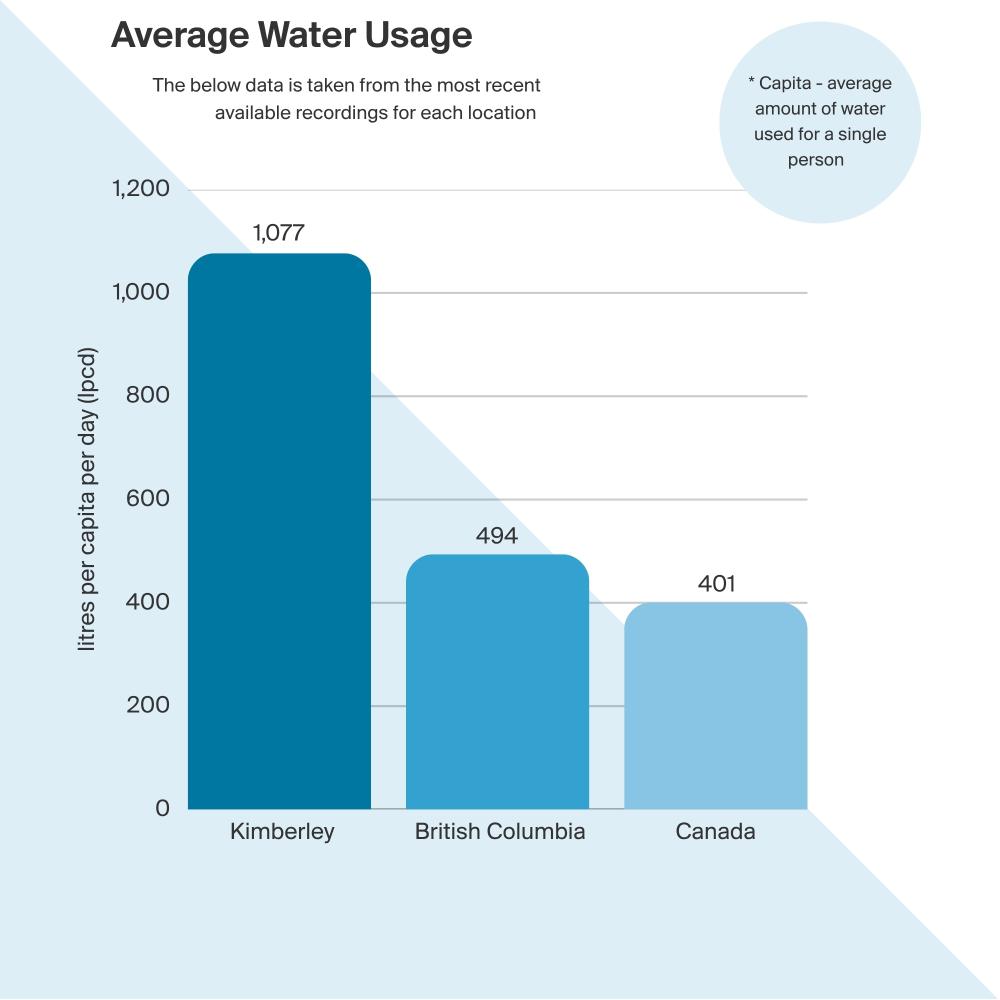
Kimberley’s water usage is more than double the provincial average. Our water consumption spikes in the summer, meaning water demand can double compared to winter baselines. Water supports our community by providing not just an essential need but also supporting our recreation and tourism. From the ski hill to our pool and ice rinks, Kimberley relies on water in so many ways. Saying this, a significant amount of our water usage is wasteful. As a community so heavily supported by our beautiful landscape and natural resources, it is important that we do our part to conserve and take care of those resources. Being mindful of your water usage, educating yourself on water conservation, taking part in stewardship efforts, and following watering restrictions all play a meaningful role in reducing our water consumption.
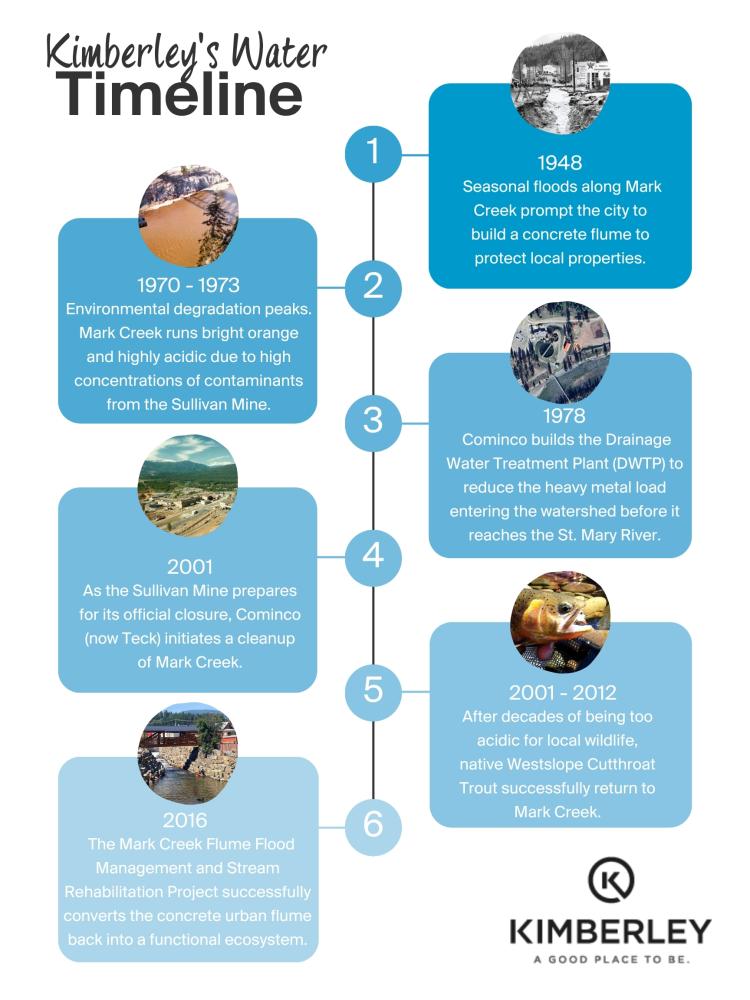
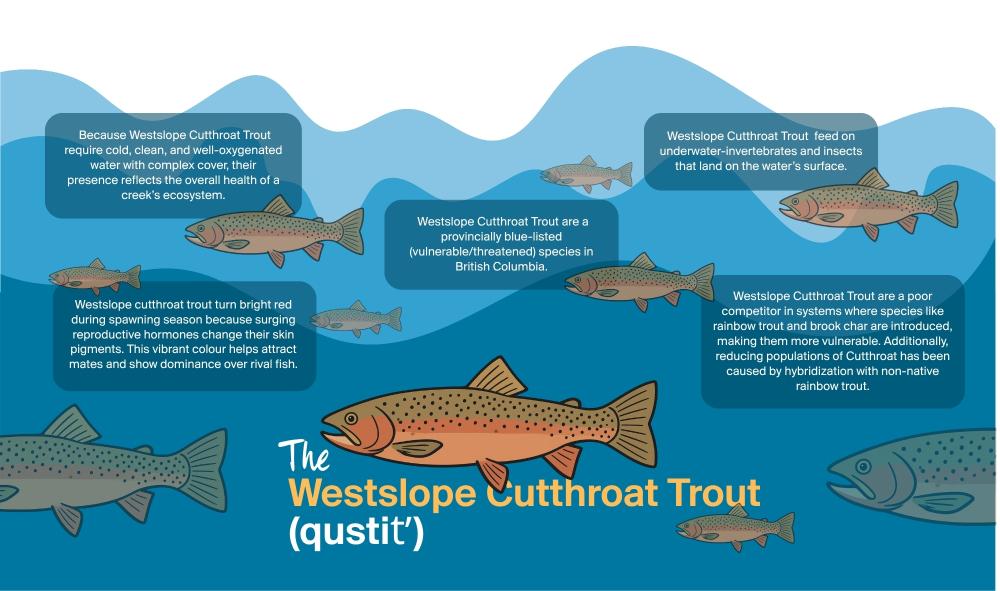
Let’s take a look at a keystone and native indicator species found in our watersheds
How to Conserve Water
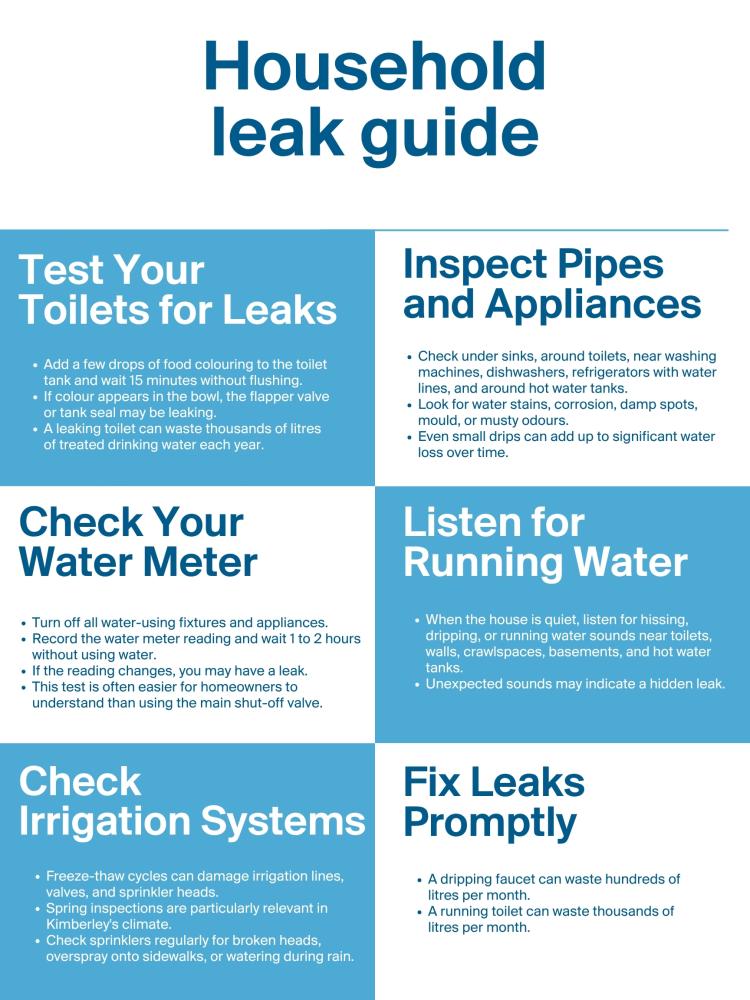
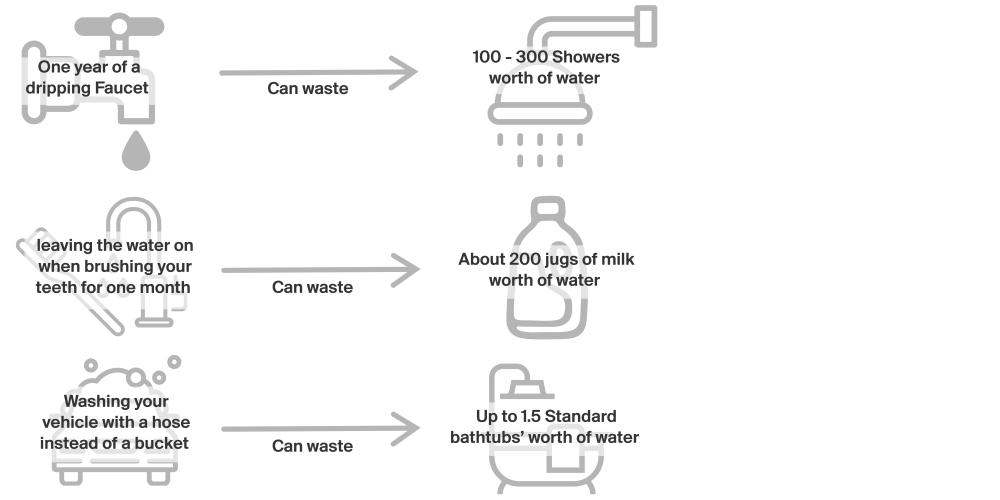
Let’s talk about some ways you can reduce your water footprint and highlight some local conservation efforts. Small habits make big differences. Check out how much your daily habits and overlooked water usage can actually waste.
Outdoor watering is a significant part of household water usage and greatly contributes to the rise in water use during the summer months. Much of the water used on lawns and gardens goes to waste instead of benefiting the greenery it’s intended for. Here are some tips to make your lawn more water efficient.
Pick and use your sprinklers wisely. Up to 50% of water produced by your sprinkler can be lost to evaporation. To avoid this, water in the morning and evening as regulated in the city watering restrictions. It is also recommended that you purchase a sprinkler that produces larger drops instead of fine mist to reduce water loss to evaporation. The position of your sprinkler determines how water-efficient it will be. Consider the shape and size of your lawn when purchasing a sprinkler and place it so you avoid watering anything but your lawn, such as your driveway or the side of your house. Timed sprinklers are a great way to avoid overwatering, and equipping your hoses with an automatic shut-off device allows you to easily water without creating waste.
Ever notice how some lawns and gardens stay greener with the same amount of water as others? Several factors play into this, such as access to shade to keep soil moist; there are multiple factors you can change to keep your lawn looking healthy without obsessive water use. Healthy soil is important to plant health; consider topdressing your gardens with nutrient-dense material and leaving grass clippings on your yard to feed new growth. Although creating large patches of shade for your yard isn’t always accessible, leaving your grass to grow a bit taller allows for natural shade. Avoid plants that require large volumes of water to survive; instead, opt for native species that are accustomed to dry summers.